This marginalization of a dominated group that nevertheless contributed to the maintenance of royal power has already been discussed by Bakoly Domenichini Ramiaramanana and Jean-Pierre Domenichini, who emphasized that “our wish would obviously be that all those who have grasped the importance of this issue (andevo), from those who called for the tantaran’ny Andevo to those who recently announced their intention to begin working on it,” in order to assess the influence of the famous collection of oral traditions Tantara ny Andriana produced by Father Callet. We should emphasise that while this work constitutes an essential primary source for the history of Madagascar, it reserves only a very limited space to the contribution of marginalized groups, particularly the andevo. Their role is largely overshadowed by that granted to the royal lineages (Andriana). Yet the latter could neither have existed nor perdured without the presence and actions of the andevo.
Moreover, discussing slavery in Madagascar remains a sensitive topic, as it directly touches upon lineage and identity. Any mention of slavery can provoke hostile reactions, as some perceive it as an affront to the honour of their ancestors. Even today, the topic continues to fuel social and family tensions, particularly between descendants of slaves, who are sometimes stigmatized by the descendants of “royal subjects.” Many authors have already contributed to the study of slavery in Imerina, using various sources such as archives, ancient texts, historical photographs and interviews, as well as oral traditions transmitted from generation to generation.
However, the originality of our approach lies in the use of material remains as witnesses to slavery practised in Imerina. This is a delicate and difficult approach, as there are no museums dedicated to exhibiting objects related to slavery. Furthermore, slavery in Imerina differs from the form commonly ingrained in the Western imagination, where slaves are depicted as being chained or tattooed as objects for sale. Given these constraints and the limited time devoted to collecting inaccessible evidence, we focused on identifying surface remains as evidence of slavery in the vicinity of Antananarivo.
What are these elements of proof that continue to be preserved in order to glorify the power of the masters rather than the suffering of the slaves? They include ditches, red-earth embankments and enclosures, rice fields, slave burial sites and slave markets reflected in the toponymy, amongst others. Indeed, slaves indirectly contributed to the glory of the kingdom and that of their masters.
In Madagascar, several categories of slaves coexisted, depending on the circumstances under which they were reduced to slavery: war captives, individuals punished for rebellion, persons accused of adultery with the wives of chiefs, slaves born into servitude, as well as those resulting from the slave trade. Flacourt reports that the term “ondeve” (andevo) means “lost man,” and notes that in the Tamatave region, masters called their slaves “children,” as in Imerina, and sometimes even gave them their daughters in marriage when they proved worthy. D. Rasamuel suggests retaining the designation of “deported,” in reference to the term gadralava (“those condemned to long chains”). The terms gadralava and andevo indeed refer to individuals forcibly transferred far from their region of origin, long before the 1865 decrees banning the slave trade, the abolition in 1868 of sentencing to slavery, and the measures prohibiting the sale of slaves in the provinces or outside the region of Imerina. Jean-François Cany provides a precise analysis of the origins, categories and statuses of the andevo in Madagascar, particularly in Imerina. The author specifies that there existed both endogenous and exogenous origins contributing to the condition of servitude: from the 16th century onward, warfare provided the victorious group with a substantial reserve of slaves; next came slaves by birth—children inherited the status of slave through their mother, making slavery a condition transmitted exclusively through the maternal line. Even when a child, known as a zazahova, was born from a relationship between a slave woman and her master, the child remained a slave. Indeed, slave woman a master found attractive could be called upon to accompany him on his travels in the provinces and to serve as his sexual companion: “Indeed, since the lawful wife was ‘reluctant’ to follow her husband on journeys to the provinces, she sometimes offered him a slave woman, fearing that he might be attracted to one of the local girls unknown to her; …” . Finally, the law was also a source of enslavement, as illustrated by the Codes of 101 and 305 articles, such as rebellion against royal authority: the entire family of the person sentenced—the wife and children—was reduced to slavery.
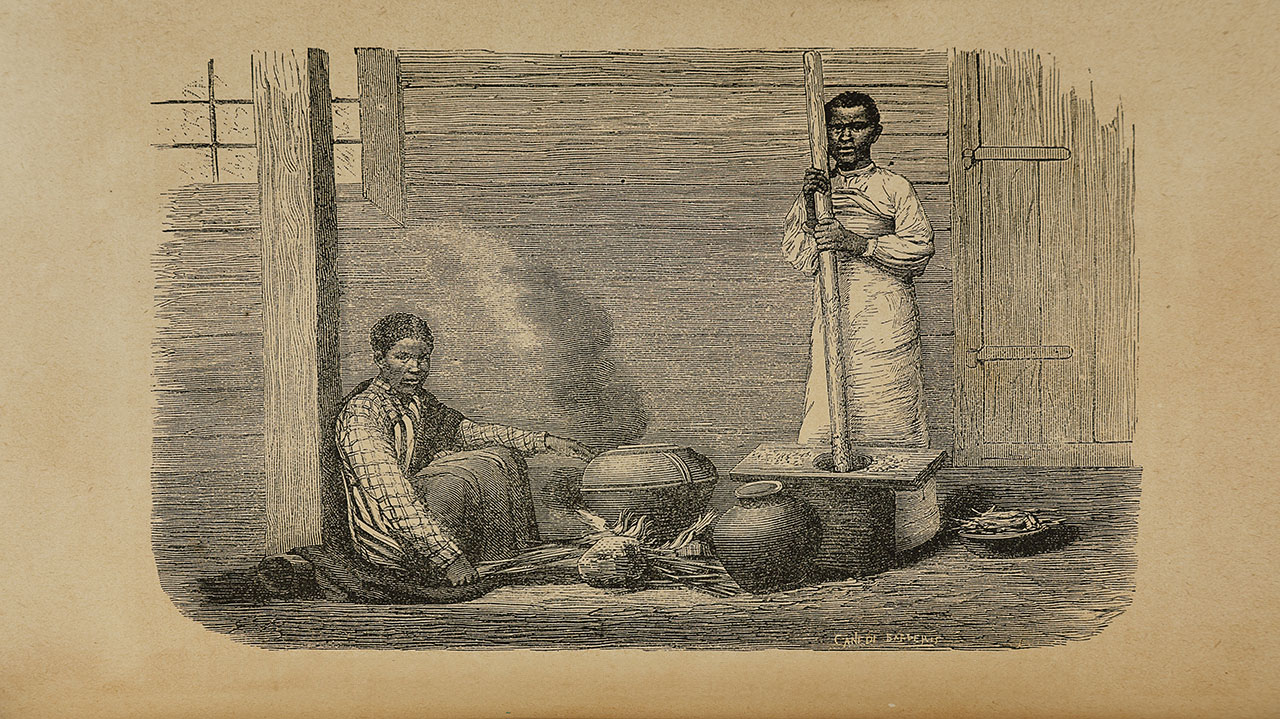
Different categories of slaves have been identified in Imerina. Domestic slaves, integrated into the daily life of the household and referred to as ankizy (“children”), were generally well treated. They carried out essential tasks such as carrying water and firewood or pounding rice. Female slaves could also be employed as wet-nurses, a practice intended in particular to preserve the figure of the mistress of the house by relieving her of breastfeeding. The children of slaves and those of the masters, being nursed together, were then considered “milk brothers” or “milk sisters,” thus establishing a symbolic bond between them. According to the oral tradition of Antsahadinta, Rabodo—regarded in collective memory as Andrianampoinimerina’s youngest and most beautiful wife of at the beginning of the nineteenth century—had her children nursed by domestic slaves.
As for royal slaves, or tandapa, these had a particular status: close to the sovereign, they directly contributed to the protection of the royalty, sometimes at the risk of their lives, by serving as “human shields.” The tandapa were chosen among the Tsimandoa, Manisotra, Manendy, and the mainty enin-dreny. They are not the main focus of this analysis, since, although they ensured the protection of power, they had the status of free subjects and lived in close proximity to the royal family.
The women of the court, known as madio tanana (“clean hands”), oversaw the preparation of royal meals in order to prevent any risk of poisoning, according to the saying: “Mpanjaka mahihitra, maty alohan’ny andevony” (“A miserly king will die before his slave”). Some of them could also become tsindrife (concubines) when the royal wives were unavailable or when the king or princes were pleased to have them close by. This brief overview suggests that slavery in Imerina was relatively mild. However, archaeological evidence confirms the heavy burden of the tasks assigned to slaves.
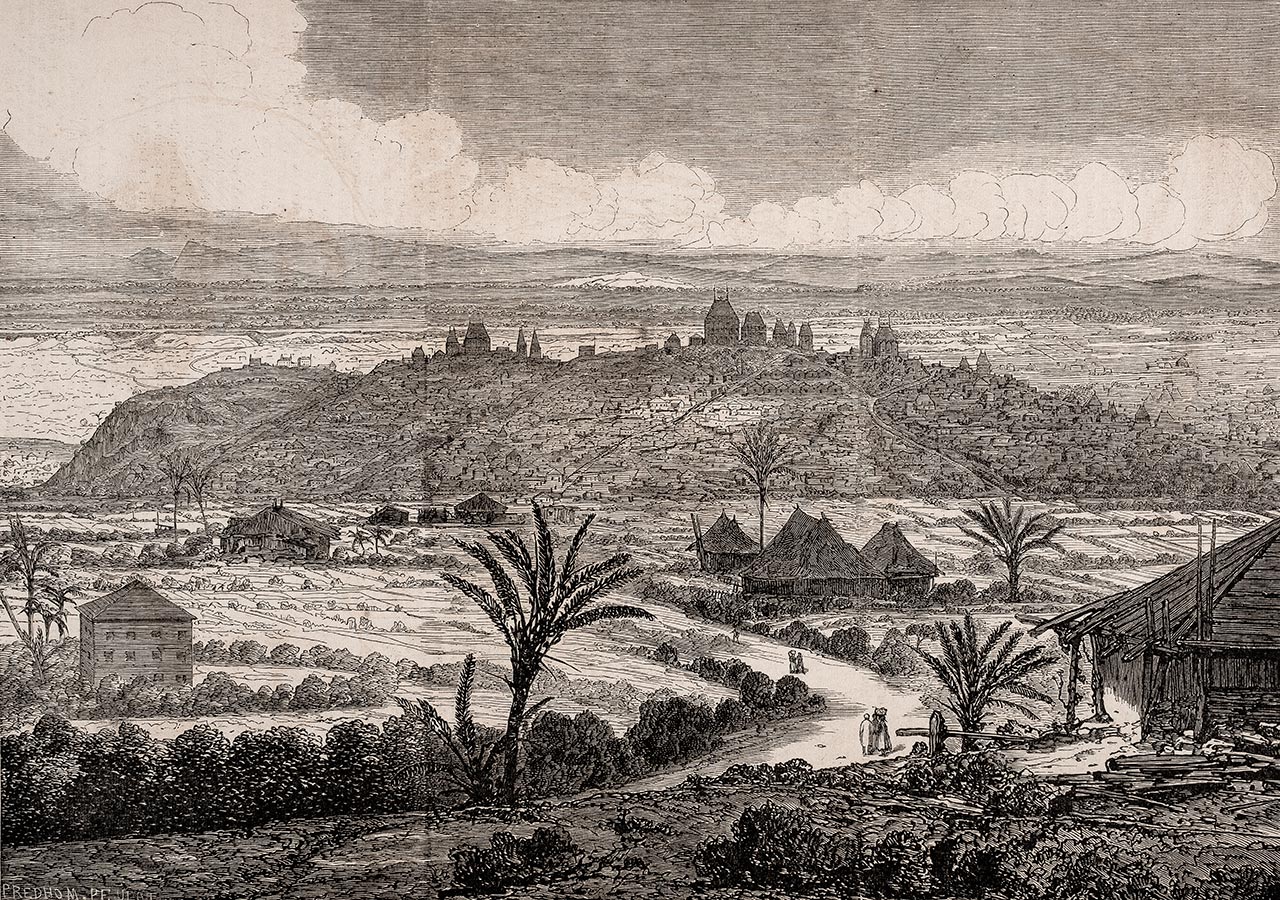
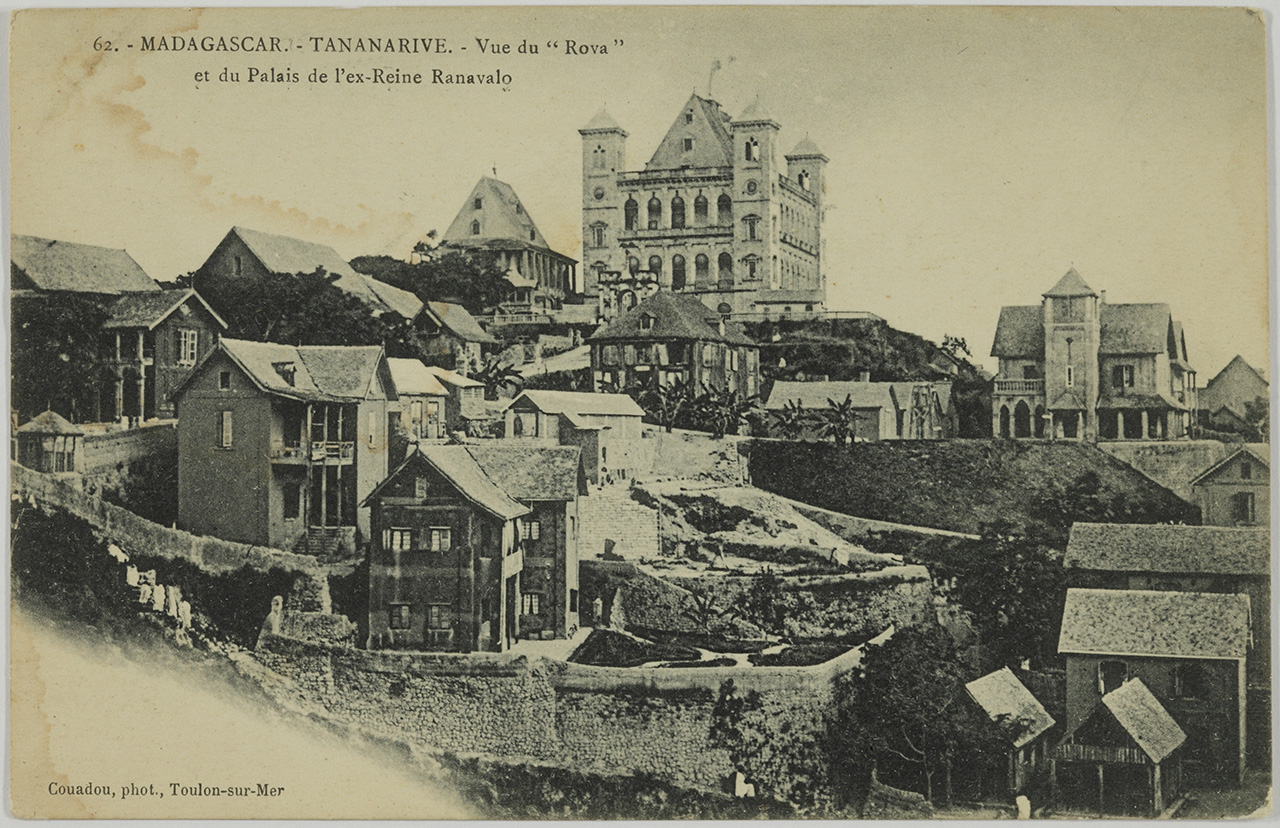
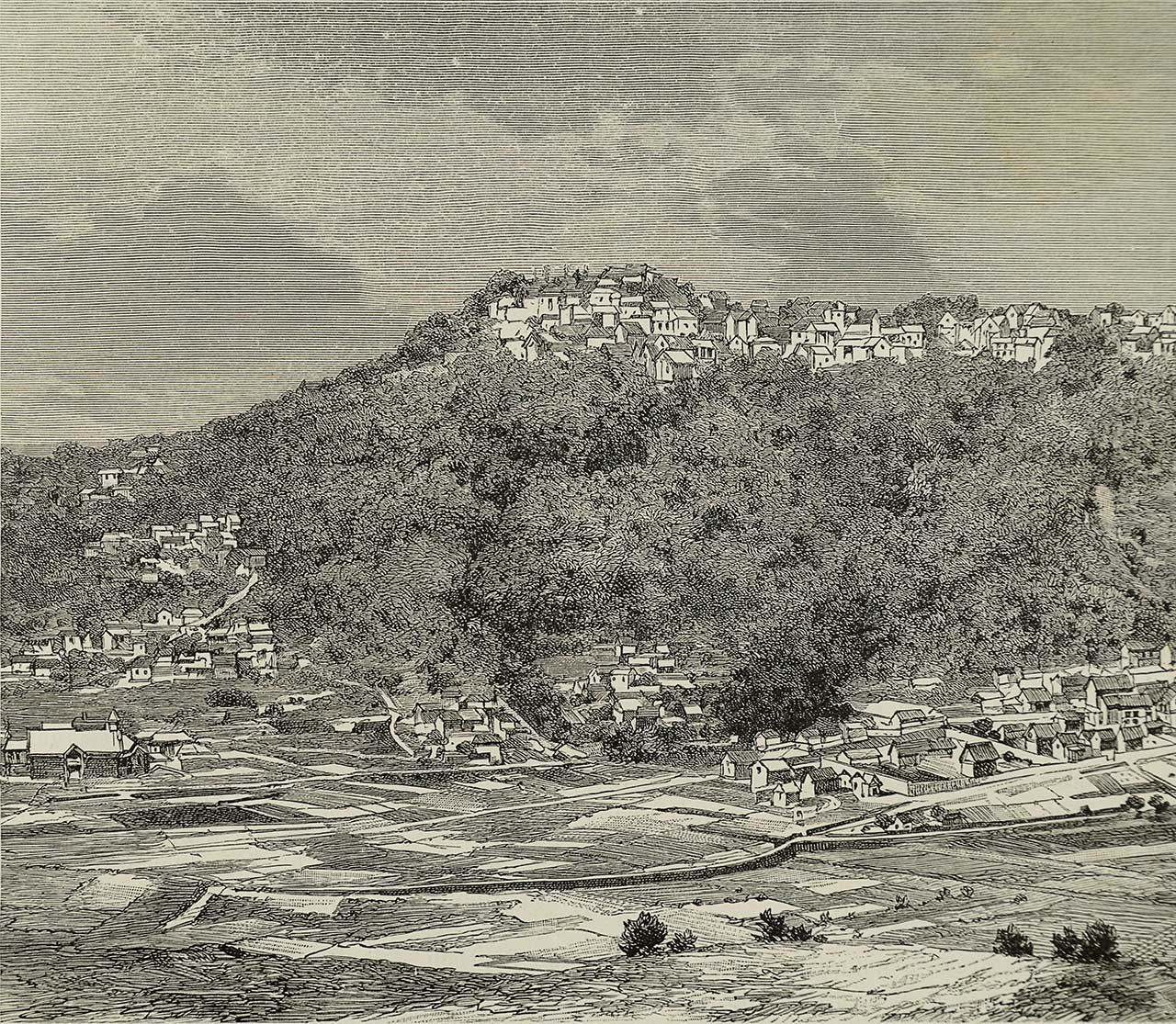
First of all, royal enclosures (rova) were located on elevated ground, symbolizing political authority. They were delimited by defensive ditches (hadivory), whose emergence between the sixteenth and the late eighteenth centuries corresponds to this humble contribution. According to A. Mille, two main categories of ditches can be distinguished: simple ditches, circular, oval or square in shape, located on slopes; and polygonal ditches, associated with large enclosures requiring reinforced protection. Slaves, being both a means of production and a workforce, directly contributed to the digging of these ditches. Although they belonged to their masters, the sovereign exercised an eminent right over all persons in the kingdom. Thus, Andrianampoinimerina established that the andevo, like any inhabitant of his kingdom, was an olona (a human being). However, their ritual impurity excluded them from access to sacred sites and from being involved in the construction of royal residences, including the ditches. By contrast, the digging of ditches—some reaching up to seven meters in depth—required considerable physical strength and was a task assigned to free subjects or “pure men.” Unaccustomed to carrying out such heavy tasks, free subjects frequently delegated the execution of this labour to their slaves, but no information has been recorded regarding any purification of the slaves before they carried out the services that their masters were supposed to render to the princes. How were slaves purified before entering a sacred area, or was there a law authorizing all categories of slaves to enter royal or princely domains? Whatever the case, slaves thus played a decisive role in constructing the defensive systems of royal domains, even though their work was always carried out on behalf of their masters.
Secondly, a precise quantification of the efforts provided by these andevo remains impossible, since they were assimilated to minors (ankizy) and acted under the legal and social responsibility of their owners. Moreover, the inventory established by A. Mille, listing over 16,400 sites of ditches at altitude and based on aerial photographs, attests to the considerable scale of the work accomplished, without taking into account ditches not detected in the photographs. Digging was carried out using wooden spades, even though metal tools existed well before Andriamanelo in the seventeenth century, but these were reserved exclusively for warfare. The digging of ditches took place principally during the rainy season in order to facilitate the extraction and removal of the excavated material.
The layout of the ditches generally followed topographical contours, and their density attests to the strategic, political, and economic value of the sites concerned. Mille emphasizes that simple and double ditches were relatively rare, whereas polygonal ditches were by far the most common. Double ditches already reflected a concern for security and appeared from the sixteenth century onwards, at a time when wars between petty kingdoms intensified over theft of slaves and cattle and, above all, territorial expansion. Polygonal ditches were frequently associated with drainage systems intended for the development of terraced agriculture along the slopes. All of these infrastructures contributed to strengthening princely power, insofar as improved agricultural production and food security contributed to limiting the risk of popular unrest. Moreover, these installations not only ensured water drainage but also, in some cases, provided concealed access to springs located downslope, useful in times of insecurity. This typology of ditches described by A. Mille clearly demonstrates the heavy burden of the services rendered by slaves who replaced their masters in carrying out these tasks.
Also, the andevo were not allowed to live inside the ditch, which was considered to be a sacred area. However, if they were royal slaves enjoying the same status as “free subjects,” they could live inside the Rova (royal enclosure), provided that their dwellings were located to the south of the enclosure—the south being a zone associated with submission and obedience in Malagasy culture. A change in the landscape can be observed today, as presumed descendants of slaves lived inside the perimeter of the ditches. These spaces are referred to as Ankadivory (“inside the ditches”) because their inhabitants were deprived of tanindrazana, that is, ancestral land. They resided in dwellings considered illicit, built on land that has remained free and available, although often exposed to risks of erosion or landslides, particularly during the rainy season. Investigations carried out by Bienaimé Randrianasolo in the village of Ambohijanahary Antehiroka report that: “Andevo no nonina tao Ankadivory fahiny ary tanàna kely no nonenan-dry zareo tao. Na izany aza anefa dia nodidininy hadivory ihany io tanàna io satria natahorany hanihan’ny sasany izy. Io no nahatonga ny hoe Ankadivory” (“Slaves once lived in Ankadivory, in a small village. Fearing reprisals, they surrounded their dwellings with small ditches. That is how the name Ankadivory came about”). From this account, we know that slaves had long lived in the ditches, and they also delimited their settlements by small trenches called hadifetsy, serving both as territorial boundaries and as protection against pillage and theft.
Finally, multiple ditches, known as hadivory fito sosona (“seven successive ditches”), constituted a defensive system intended as protection against any surprise attacks. The number seven, endowed with a symbolic value of sacredness and completeness, marks the importance of the main town thus protected. These works were carried out by slaves under the authority of their masters, who avoided performing this particularly arduous labour themselves, in accordance with the Malagasy saying mitady tany malemy hanorenam-pangady (“seeking ground on which to easily plant the spade”). The masters thus derived their prestige from the labour performed by their dependents, who carried out the bulk of these defensive constructions.
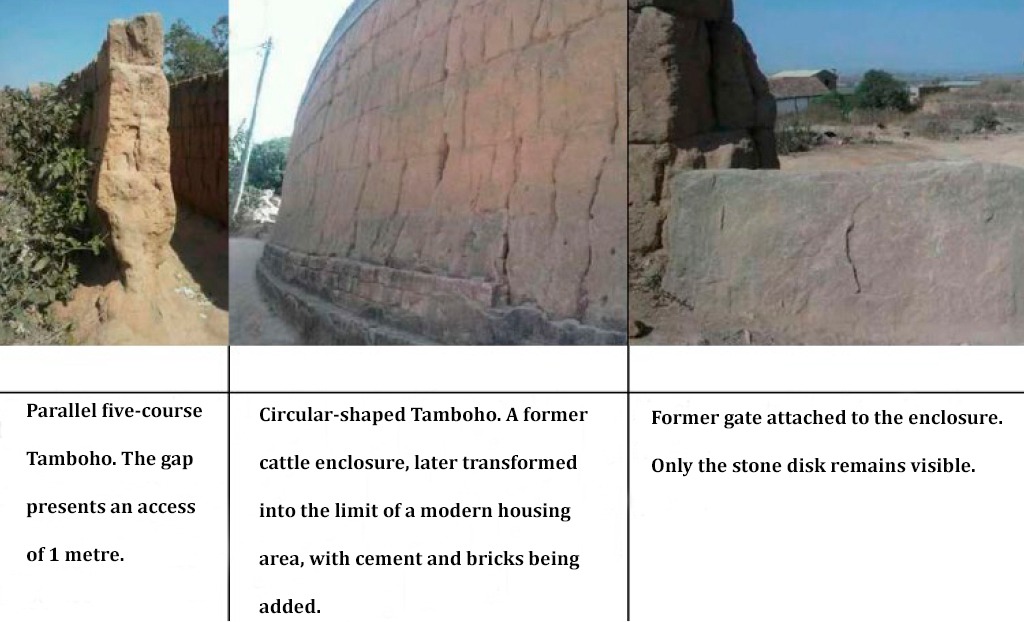
Whereas the construction of ditches was formerly a collective, village-based and community undertaking, the direct participation by slave owners was gradually replaced by that of their andevo (slaves). Unlike these communal ditches, the tamboho—red earth enclosures characteristic of Imerina—constituted explicit markers of individual wealth, as their construction was carried out by the owner’s household slaves. These tamboho delimited private property: rectangular in shape, they generally enclosed a large earthen or red-brick dwelling along with its outbuildings; circular in form, they most often designated an enclosure intended for cattle (valan’omby).
First of all, the tamboho represent concrete evidence of a transforming slave system, marked by the rise of the bourgeois group, or Hova, who were considered as “makers and unmakers of kings.” The second social category after the princes (Andriana), the Hova gradually reshaped the socio-economic environment of Imerina. We can note that as from the sixteenth century, ditches had been used to defend the political authority of a small-scale king or prince; in contrast, the tamboho of the late eighteenth century primarily protected the properties of economic elites—not only those of the royal family, but also those of the newly enriched Hova. This social stratification is visible in the organization of the landscape: the Hova, as free subjects, predominantly occupied hillsides or intermediate zones (the middle town), the upper town being reserved for the princely lineages.
The political role of the Hova is illustrated by the example of the Hova Tsimahafotsy of Ambohimanga, who supported Andrianampoinimerina’s rise to power in place of his uncle Andrianjafy. In return, Andrianampoinimerina granted them land, rice fields, and titles as senior officers at the royal court. The Hova also wielded considerable economic power, notably controlling the slave trade towards the limits of the kingdom, such as Moramanga, Ambatomanga and Andevoranto. In this context, the status of slave took on a predominantly economic character, distinct from earlier models based on ancestral origins. An economically vulnerable member of the Hova could lose his status as a free subject and be sold, becoming an andevo, for example at Ampamoizankova, where this loss of status was formalized. Conversely, a slave could accumulate wealth and, in some cases, adopt the children of his former master in order to pass on to them his property, an example of the relative fluidity of certain social situations.
Seconjdly, the majority of tamboho belonged to wealthy Hova, owners of household slaves. These slaves were employed for the construction of the earthen walls, which were always erected with an odd number of courses (layers), reflecting the owner’s wealth. The use of odd numbers symbolically contrasts with that of princes, who favoured even numbers, considered to be sacred, a distinction interpreted by Marc Chemillier as a marker of “princely oddness.” This use of odd numbers was also applied to protective necklaces: an individual wearing an odd number of seeds was identified as a slave, whereas an even number indicated the wearer’s princely origin. However, for the Malagasy, odd numbers refer to the notion of “reserve” (manana ny ambiny), seen as a protection against poverty and aimed at continued prosperity. The Ombiasy manuscrip, cited by A. Mille constitutes a written source attesting that: “One day, Andrianampoinimerina had tamboho built at Mananiera, Soavimasoandro and Ambohipo. These walls were constructed to enclose an area reserved for strolling or intended to be used as an arsenal… Radama had tamboho built at Mahazoarivo.” These indications suggest that the appearance of the tamboho corresponds to a terminal phase in the evolution of the defensive systems, replacing moats at the end of the 18th century. Their construction gradually declined and completely ceased after the abolition of slavery in 1897, at the beginning of colonization by the French. During this period, Malagasy populations without access to French citizenship were maintained in their status of “indigenous subjects.”
Finally, the construction of tamboho involved a sophisticated technique based on intensive labour, historically carried out by domestic slaves. The basic material was red laterite clay, characteristic of the Merina landscape, extracted from the low zones and transported to the hillsides by slaves. This earth was then mixed with water, cow dung, and various plant waste, then thoroughly trampled on by slaves over a period of about three days. In the absence of servile labour, wealthy families would resort to the earth being trampled by cattle. For royal constructions, the mixture was enriched with egg whites, reinforcing the cohesion of the material. After this initial phase, the slaves would knead the mixture again until a homogeneous paste was obtained, which was then left to stand in heaps for at least two days, with the aim of achieving partial dehumidification. Once prepared, the paste was ready for use. Construction began with the laying of the first course directly on the ground. After drying in the sun for five to ten days, a new course was added, and so on and so on. Once the enclosure was completed and totally dry, the slaves opened up a passage by cutting out a “negative” into the wall to allow the cattle (zebus) to move in and out. A particular case was observed at Ambatolampy-Antehiroka, where tamboho with five to seven courses predominated and, remarkably, a parallel double enclosure is present. These two adjoining walls define a narrow overlapping access forming a true corridor. To further reinforce the defences, the double enclosure forms an oblique angle at the entrance, thus creating an area conducive to trapping potential assailants.
The development of marshy areas by converting them into into rice paddies dates back to the period of the monarchy, when availability of a labour force —essentially made up of slaves— facilitated such projects. The labourers were housed in the immediate vicinity of the rice plots belonging to their masters, in order to ensure continued agricultural activity. Their location in the rice-growing lowlands reflected both their subordinate social status and the need for the landowning masters to maintain direct control over production. According to an account by Father Callet: ‘Raha nonina taty Antananarivo Andriantsitakatrandriana dia hoy izy: Monina anosindrano isika : ataovy izay hahavary ity Betsimitatatra ity. Dia nijinjàna ny kirihitrala sy ny zozoro sy ny herana, ary dia nanao fefiloha …Ary dia natao ny tanimbary i Betsimitatatra andrefan’Antananarivo’ (When Andriantsitakatrandriana lived in Antananarivo, he used to say: “We live along the riverbanks; make sure that Betsimitatatra is cultivated.” So the bushes, reeds, and rushes were cleared, and a dike was built… And Betsimitatatra was turned into rice fields to the west of Antananarivo.) During his reign (1630–1650), Andriantsitakatrandriana created the first rice fields in Betsimitatatra (the plain of Antananarivo) thanks to the labour-force, with the masters invariably replaced by their slaves. The marshy areas surrounding Antananarivo were once heavily populated by crocodiles. This presence explains the toponymic origins of several localities: thus, Andavamamba, literally “the crocodile pit,” designates an area close to the former rice fields of the capital, while one of the main tributaries of the Ikopa River bears the name Imamba, “river of crocodiles.” In this difficult environment, the tasks assigned to slaves were particularly tough.
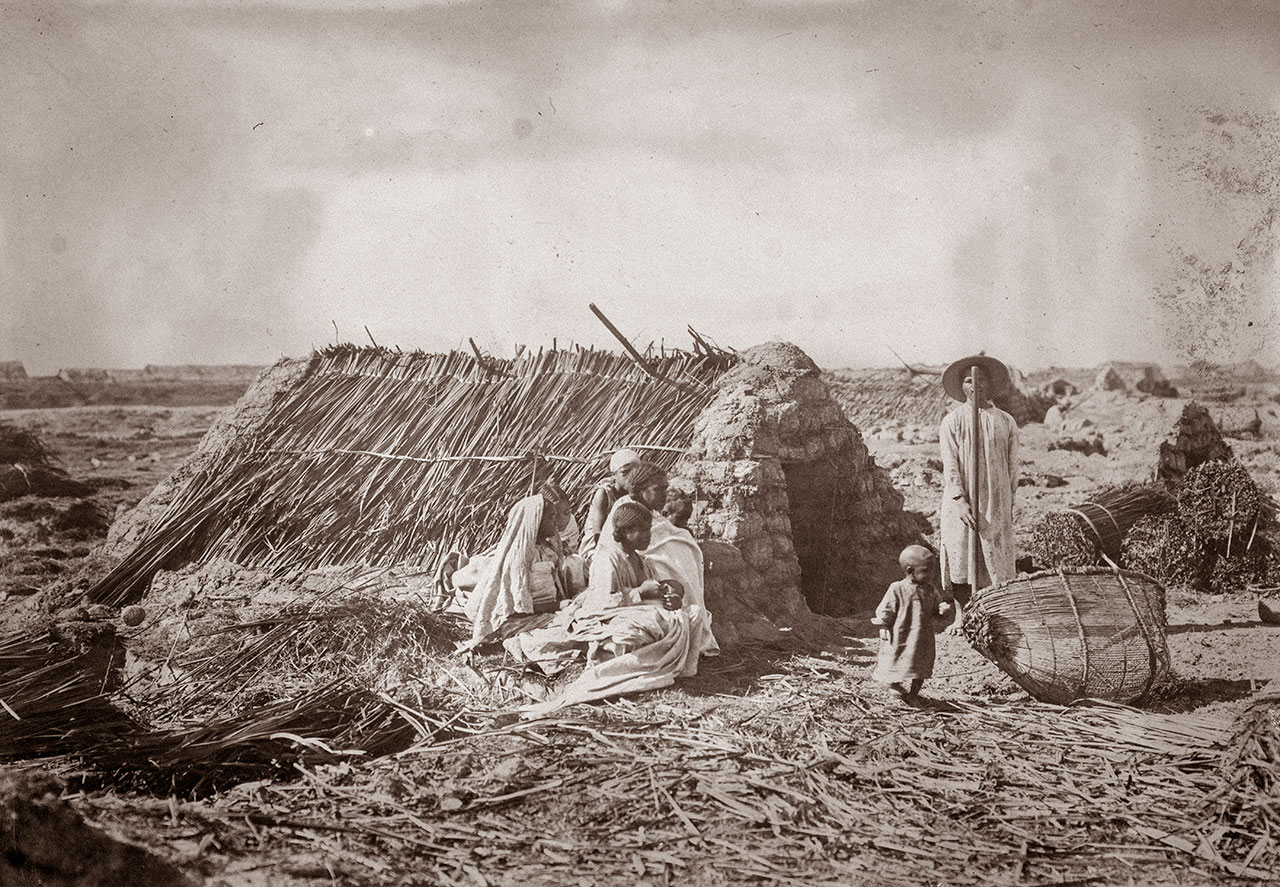
Deprived of tanindrazana –that is, ancestral lands and tombs– slaves accepted these working and living conditions. They were settled on plots available such as ditches, the edges of rice fields, or the ancestral lands of their masters, generally in the southern part of the estate, thus making sure the property was constantly guarded. Deprived of their family tombs, they were buried in graves dug around the edges of their masters’ burial vaults, known as fasana an’iritra, intended for the deceased who, for various reasons, could not be interred in family tombs (uncircumcised children, stillborn children or zazarano, individuals who died of stigmatized diseases such as leprosy, and above all, slaves). The descendants of slaves known as andevon-drazana, literally “slaves of the ancestors,” continued to ensure the surveillance of estates surrounded by tamboho (enclosure walls) belonging to noble lineages. They were thus referred to as valala fiandry fasana, “the grasshoppers that guard the tomb,” in reference to their role as funerary guardians.
Moreover, Andrianampoinimerina undertook a redistribution of rice fields among his subjects in order to mitigate the effects of food shortages. This policy simultaneously made it possible to carry out a census of the population through the collection of the hetra, a levy owed to the sovereign, proportional to the surface area of paddy fields, in accordance with the principle that the entire territory was under royal ownership. In this context, slavery was essentially a domestic institution. When the sovereign proclaimed that slaves were fully human beings, he also asserted that all persons, free or not, henceforth came under the authority of the king: it was the latter, and no longer the master, who held the power of life and death over slaves. Collective memory also evokes the practice of lafika, according to which slaves were allegedly buried alive to form a funerary “mattress” intended to support the body of their deceased master. However, there is no material evidence to corroborate this tradition, as funerary excavations are prohibited in Madagascar in order to preserve the sacred character of ancestral tombs. An exception was nevertheless made in the early 2000s during the transfer of royal relics from Antananarivo to Ambohimanga, the religious capital of the kingdom. When questioned about the results of this operation, a colleague who participated in the excavations indicated that no trace of lafika, nor of slaves buried alive beneath royal remains, was observed. The royal body was placed directly on the red soil, without a granite mortuary bed or any special arrangement.
In Imerina, slaves constituted marketable goods sold at weekly markets. These markets, known as Fihaonana, literally “meeting place,” were held on the kianja, the public square. The existence of a district named Fihaonana to the west of Antananarivo illustrates this ancient practice: located at the western boundary of Imerina, it corresponded to a trading space frequented in particular by Sakalava merchants seeking slaves. By contrast, slaves belonging to a household constituted a family heritage transmitted from one generation to the next. Their sale was prohibited, as expressed in the principle andevon-drazana tsy azo amidy (“ancestral slaves cannot be sold”). Even royal slaves, or tandapa, acted as major agents in the slave trade while themselves remaining inalienable. The legislation also prohibited the separation of enslaved women from their young children, particularly when the latter were still being breastfed.
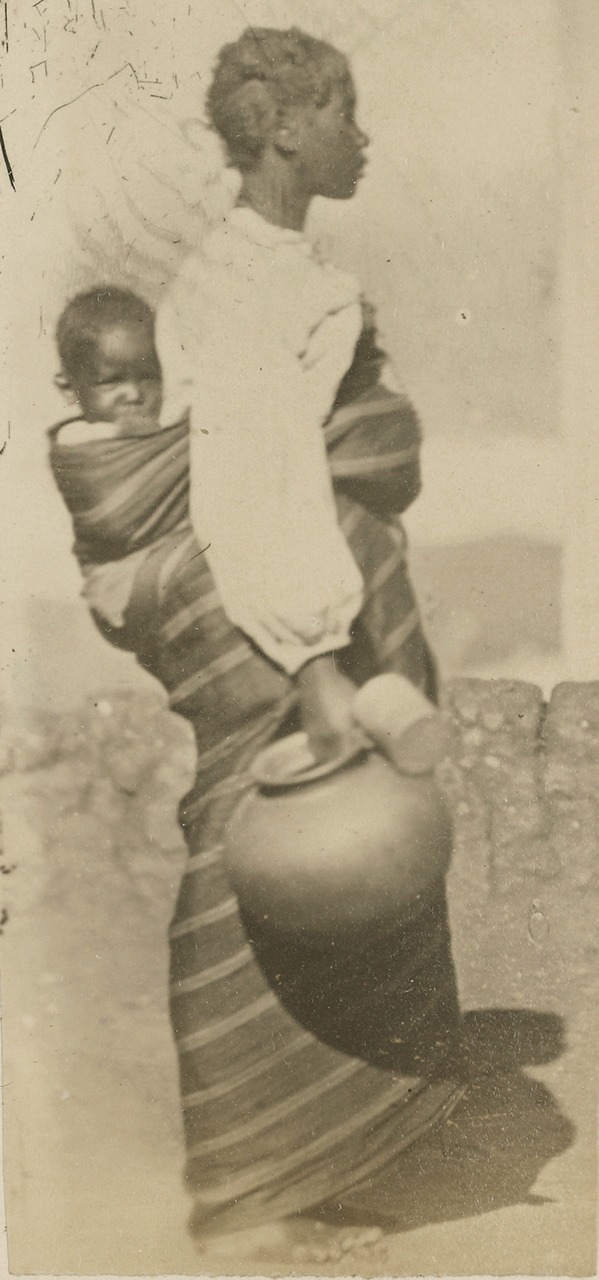
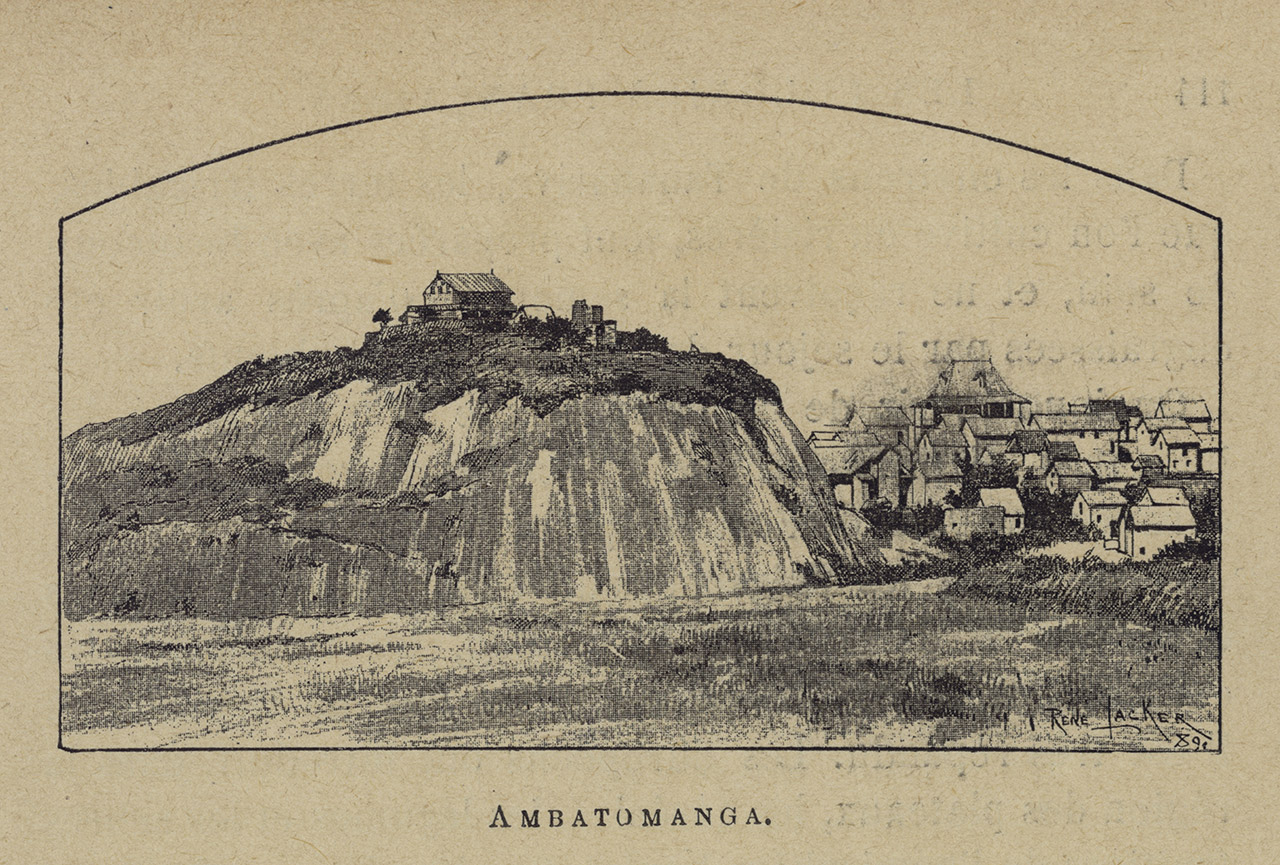
The marketing of enslaved people required that they present an appearance deemed satisfactory in order to attract buyers. Oral tradition largely situates the former slave market of Antananarivo at Antaninarenina, corresponding to the “Friday market,” although material sources are lacking to precisely locate the kianja, now occupied by the public gardens. Further east, as far as Ambatomanga, there is also evidence of weekly markets specializing in the sale of slaves. Negotiations were conducted by hova promoted to status of palace officers, as well as by royal slaves (tandapa), particularly in transactions involving Arab or Sakalava merchants.
An iconographic source suggests that enslaved people could be displayed like livestock, similar to cats or dogs, while still being kept in good physical condition, notably to prevent attempts to escape. However, interpretation of these images necessitates methodological caution, as they reflect a Western perspective, probably produced for affluent families. It is in this context that the author took care to distinguish the condition of “slave” from that of gadralava. Enslaved people could be exchanged for firearms, gunpowder, or various manufactured goods imported from Europe. They were also purchased by wealthy Malagasy individuals, often with the aim of being replaced during compulsory chores.
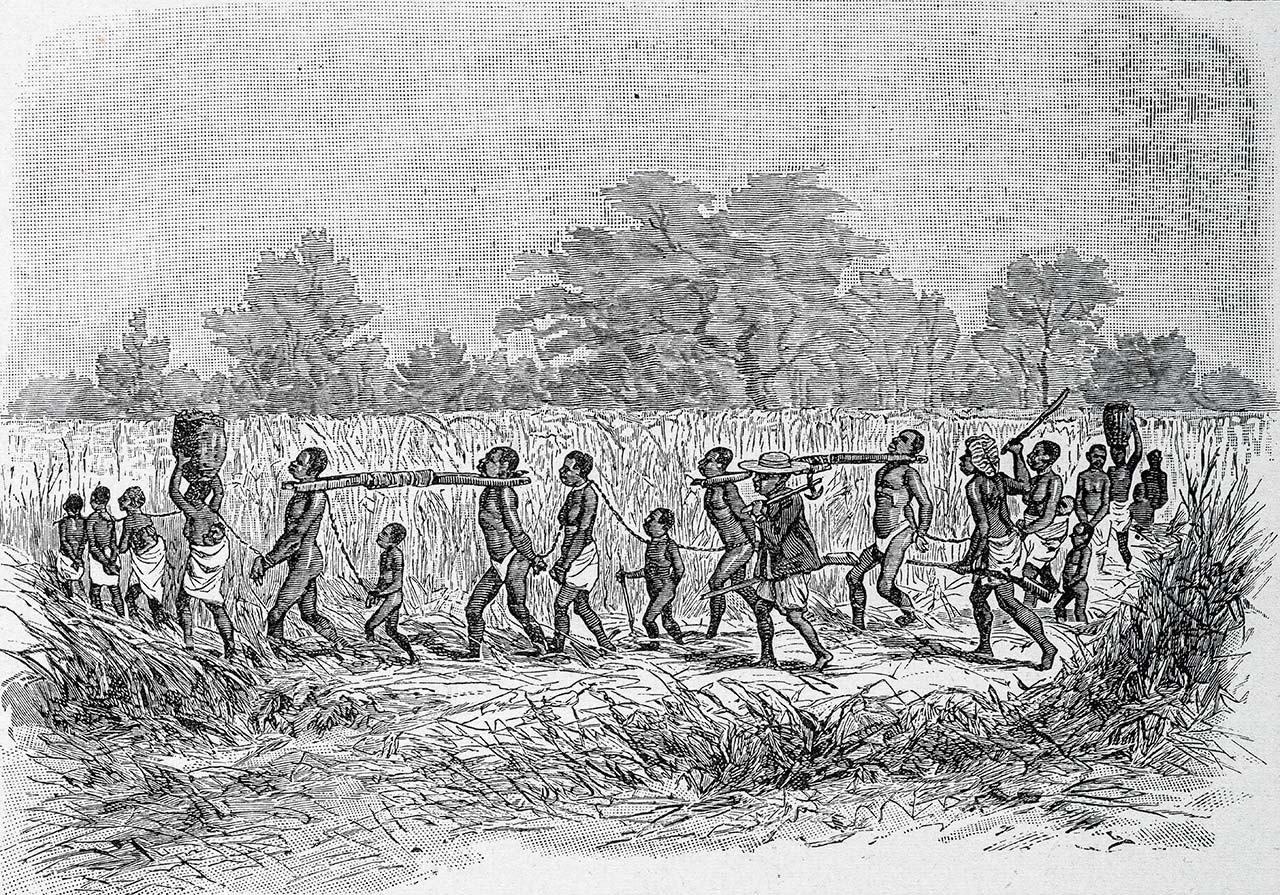
The novel by the writer Michèle Rakotoson constitutes a literary testimony that makes it possible to consider the persistent presence of a slave market in Madagascar prior to colonization. The author conveys the aberration of colonial conquest through a narrative device based on the cross-cutting perspectives of a Malagasy slave, Tavao, and a French officer. The motif of “silence,” recurrent throughout the work, refers to the internalized suffering of the enslaved character, while also contributing to the memorisation of a family history dating back to the early decades of the twentieth century. During this period, although slavery had officially been abolished, the andevon-drazana, or ancestral slaves, remained attached to their masters’ families, now being designated as “dependents.”
The year 1894, marked by the threat of French invasion, was a time of widespread anxiety for the Malagasy population, already confronted with European military and financial superiority during the Franco-Merina wars of 1885 and 1895. In the village of Ambatomanga, east of Antananarivo, local toponymy preserves the memory of this history: the site of Ambatonandevo (“rock of the slaves”) designates the place where the Andevo were gathered before being sold on the kianja, the public square. Some notable families retained their domestic dependents until the beginning of the twentieth century, as was the case of the family of Michèle Rakotoson. In the novel, the eldest son, destined for a medical career, is mobilized to participate in the war against the French. His domestic slave, Tavao, is forced to accompany him, leaving behind his wife and children. In choosing to follow his master’s son in order to protect him, Tavao embodies the silent suffering of Malagasy slaves, a loyalty that goes beyond the logic expressed in the adage Ny hena no anarahana andriana (“One follows the master because one shares his meat”). The bond between masters and slaves here derives from a coercive and internalized fidelity rather than from material benefit.
To conclude this analysis, it appears that archaeological remains of slavery in Imerina are limited, notably because enslaved individuals were integrated into households as dependents. Their daily proximity to their masters was also expressed through quasi-familial relationships, reinforced by practices such as the breastfeeding of masters’ children by enslaved women or, in certain cases, the presence of courtesans chosen by legitimate wives. Royal slaves, or tandapa, moreover played an essential role in the functioning of the court, even though they were legally considered as free subjects. Defensive works, the digging of ditches, the construction of trenches and red-earth enclosures, as well as the maintenance of paddy fields—pillars of political stability and economic power for both the monarchy and wealthy families—relied largely on servile labour. This indispensable character partly explains why selling domestic or family slaves was prohibited. Their transfer, when unavoidable, constituted a painful ordeal experienced in silence by both master and slave. Whether war captives or individuals enslaved for debt, rebellion, or through birth, the sale of slaves in Imerina thus resembled the loss of a life companion, profoundly marking social organization and collective memory.
Domaine Panon-Desbassyns
Saint-Gilles-Les-Hauts
Tel. : 0262 55 64 10
Email: musee.villele@cg974.fr
Get there
Open from Tuesdays to Sundays 9.30am to 12.30pm and 1.30pm to 5.30pm
Closed on Mondays
Closed 1st May / 1st January / 25th December
Scientific committee
Legal notice