For the occasion, the Portail Esclavage (Portal on Slavery) presents a special focus on the history of slavery in Madagascar, with the publication of two conference texts written by researchers from the University of Antananarivo. These contributions provide essential insight into the historical links between Indian Ocean territories.
1. The Slave System in Imerina (Madagascar) in the 19th Century
by Lalasoa Jeannot RASOLOARISON, Professor, Department of History, University of Antananarivo
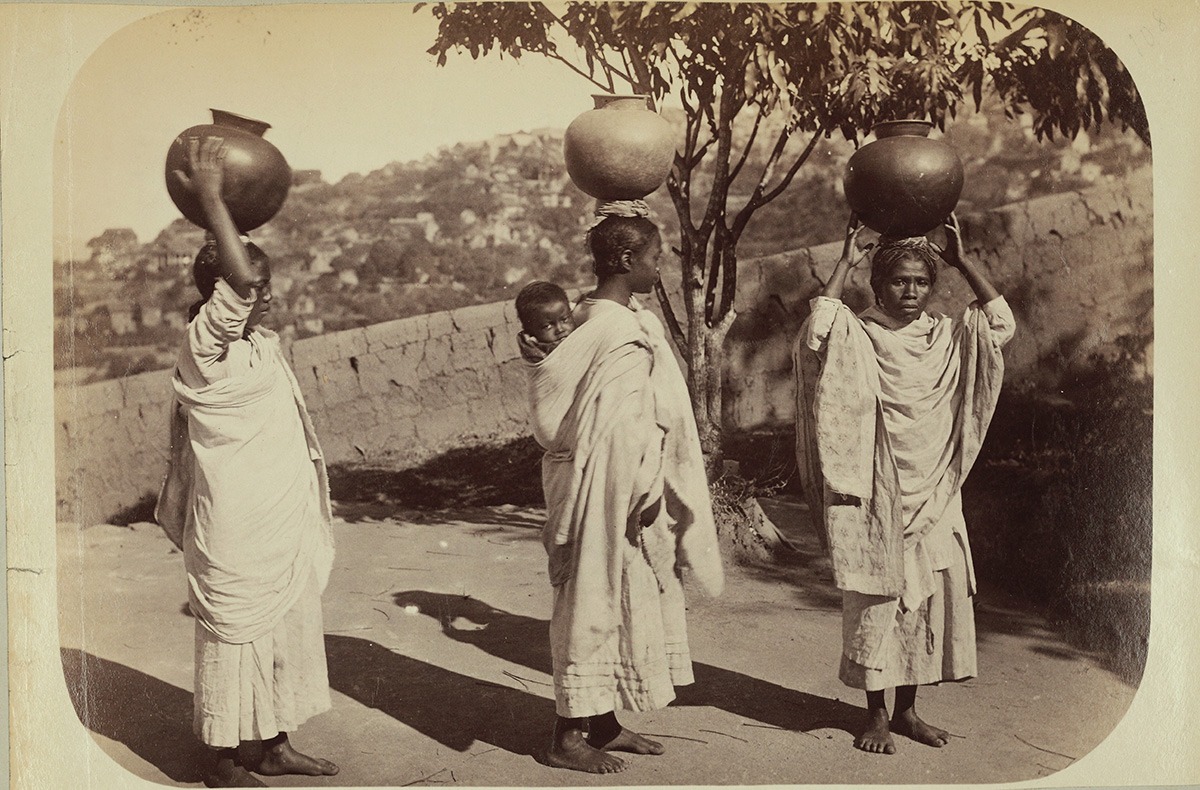
This paper offers an in-depth analysis of slavery in Imerina in the 19th century. At the time, it was a central economic and social pillar of the Merina kingdom. Forming the majority of the population, enslaved people were employed for agricultural, domestic and commercial tasks. Their status as “property” entailed strict control and exploitation, of varying intensity depending on the master. Abolished in 1896, the system had, until then, ensured a labour force essential to the preservation of power for the Merina.
2. Slavery in Madagascar: The royal slaves that have been forgotten
by Professor Jacqueline RAVELOMANANA, Department of History, University of Antananarivo
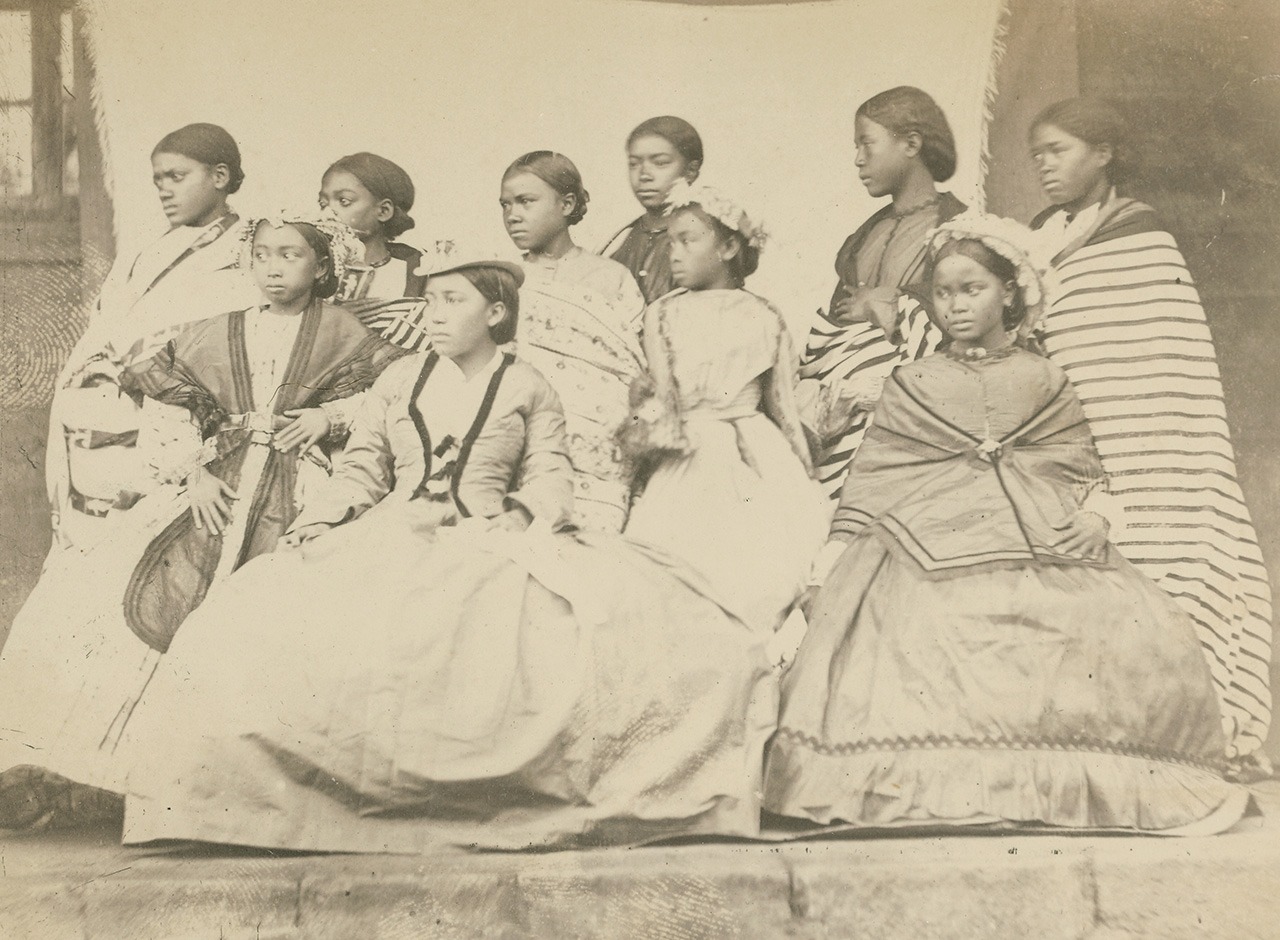
This article examines the condition of enslaved people in Madagascar through the Firaketana. The andevo (“slave”) was the result of the slave trade, armed conflict, birth or judicial sentencing. Royal slaves, organized according to a precise hierarchy (Manisotra, Tsiarondahy or Manendy), played a far more complex role than might be supposed. Involved in day-to-day tasks, as well as in political intrigues and sometimes even in the exercise of power, they shed light on a frequently overlooked element of Malagasy social history.
3. Material evidence of the presence of slavery in Imerina (high plateaus in central Madagascar) between the 16th and late 18th centuries
by Marie Robertine RAJOELINORO, head of the Department of Anthropology and Ecology at the Catholic University of Madagascar
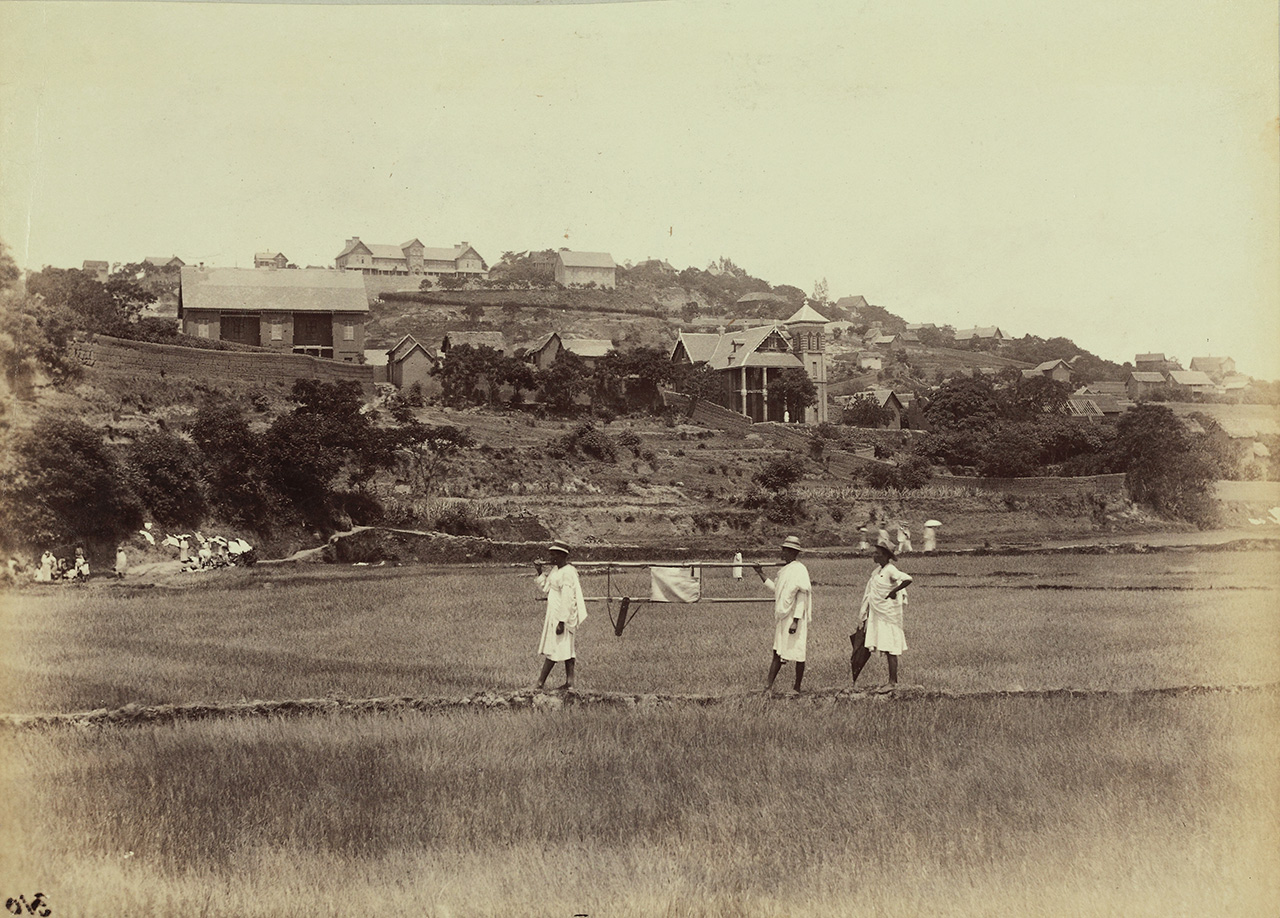
The article studies the material evidence of slavery (‘andevo’) in Imerina (high plateaus of Madagascar) from the 16th to the late 18th centuries. It analyses the defensive ditches (hadivory), red earth enclosures (tamboho), structured paddy-fields and slave markets, all evidence of the service labour used to support the royalty in power and the Hova elite.
Domaine Panon-Desbassyns
Saint-Gilles-Les-Hauts
Tel. : 0262 55 64 10
Email: musee.villele@cg974.fr
Get there
Open from Tuesdays to Sundays 9.30am to 12.30pm and 1.30pm to 5.30pm
Closed on Mondays
Closed 1st May / 1st January / 25th December
Scientific committee
Legal notice