Entertaining at that time meant demonstrating one’s civility through propriety, protocol, table service, and post-meal rituals. Dining was one of the most refined aristocratic practices, but also one of the most codified.
In this plantation-owning society, it served as a pretext for showing off one’s power and prosperity (with neither obsequiousness nor excess, however) thanks to a display of wealth made up of furniture, crockery, linen, varied and quality cuisine, as well as the associated services, where the servile domestic staff constituted one of the essential elements for the smooth running of a rural island estate.
The paradox lies not in this situation (considered normal at the time) but in the relative invisibility of this drove of domestic slaves. Even though they were supposed to be invisible and perceived as insignificant, visitors would still remain astonished by the sheer number of slaves at work. No specific comment seems to indicate any hiccup in their work, and everything appeared well-rehearsed and perfectly organised.
An initial observation here: one highly significant fact worth noting from the outset is specific to the local colonial architecture. The layout of the home was simply not designed with domestic slaves in mind. There were no specific service areas allowing for parallel access, service corridors or hallways (which are always difficult to light), hidden service entrances, etc.
A second point: just like paid domestic staff, domestic slaves operated within a hierarchical structure and had to follow well-defined codes.
Let us therefore first take a look at just how this domestic staff was organised. Under the Ancien Régime, given the importance attached to the distinction between social groups and the fixed status of the individual, every wealthy, or at the very least well-to-do, family was obliged to maintain a household staff in which several classes of servants were distinguished. Firstly, the intellectual staff comprising secretaries, stewards, tutors and chaplains, who formed what might be called the senior staff. Then came the household staff, such as maids and valets, who were solely concerned with the well-being of a single person, often sharing in their private life. Next came the nanny, whose role was unique. Finally, there were the maintenance and service staff, the largest group, made up of a whole host of cooks, footmen (the male equivalent of a maid, or a general servant), laundrymen and laundrywomen, and all those involved in manual service tasks.
The master-servant relationship was a relationship of power, of command and obedience, of protection and loyalty all rolled into one, as well as one of service and labour, insofar as it involved placing the servant’s entire capacity for work at the master’s disposal to carry out any task, rather than a specific one.
Domestic service thus ran like a small business with its managers, assistant managers, workers and trainees (often children aged 7 to 10) who were entrusted with thankless or tedious tasks.
However, there were some employees (housekeeper, lady-in-waiting and governess) who were not part of the working class and were not considered servants.
Then, reporting directly to the master (or mistress) of the estate, came the valet, the maid and the nanny. They were indeed servants, but they were in the personal service of the masters and took their orders directly from them, whilst remaining generally under the authority of the butler or steward.
The household of a nobleman was therefore run by a steward (also known as a maître d’hôtel). His role was to oversee the procurement of food supplies, the preparation and serving of meals, the general running of the household, and the logistics of the masters’ travels. He was the supreme authority over the household staff. According to Diderot and d’Alembert’s Encyclopédie, the word major-domo (from the Latin major, meaning ‘the highest’, and domus, meaning ‘house’) is an Italian term, in vogue from the mid-18th century onwards, used to designate the maître d’hôtel or steward, the highest-ranking member of the household staff.
He would manage the catering services and its staff. He oversaw procurement and negotiated contracts with suppliers: the baker, butcher, and delicatessen (bacon, sausages, andouilles, lard), grocer (sugar, spices, candles, torches, oil); he had to be knowledgeable about wines, vegetables, desserts, fruit and jams in order to purchase and serve them according to the time of year and the seasons. He also kept tabs on supplies of salt, pepper, nutmeg, cinnamon, sugar, etc., which he distributed depending on the needs of the kitchen and the pantry. He was also responsible for organising the service of the various meals. He would therefore draw up table plans for the exact placement of the dishes, taking into account the shape, size and contents of each dish to ensure harmonious table settings.
Depending on the size of the household, coachmen, grooms, stable boys and footmen (divided into several categories), would generally remain under the butler’s authority. Similarly, the head chef, cooks, specialist cooks, kitchen boys and girls, and the maids, laundresses and all other ancillary domestic tasks related to the linen would also be under his responsibility.
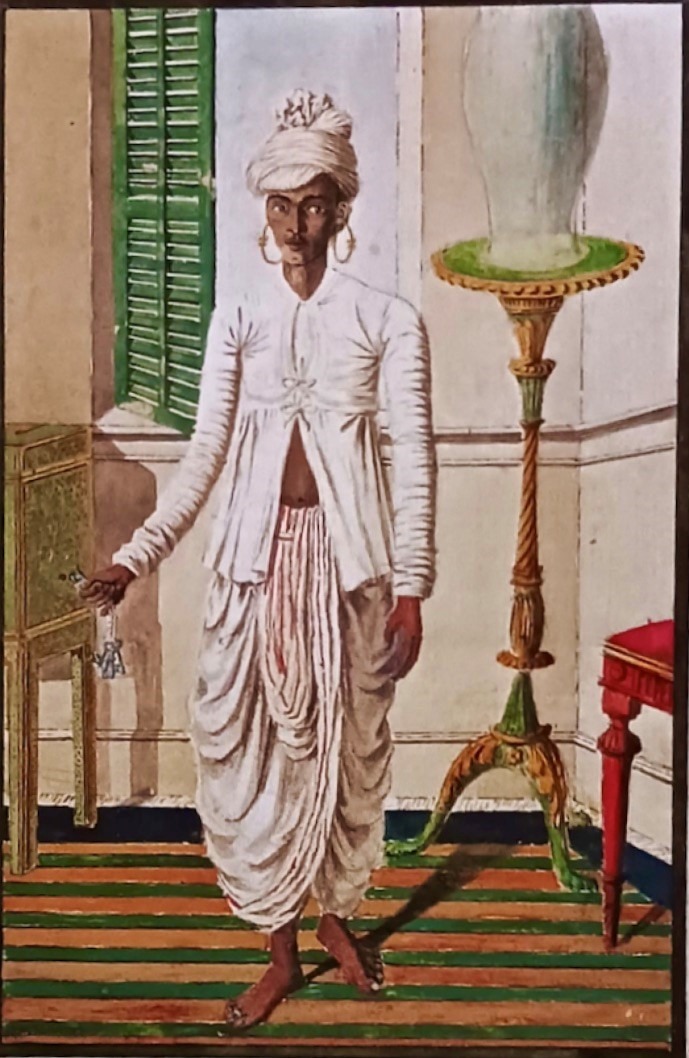
Henry-Paulin Panon Desbassayns had a maître d’hôtel named Manuel, ‘a Malbar man (sic) of 45’ (fig. 1). He probably did not handle the procurement of wines and spirits, but held the keys to the storerooms and cellars. In this respect, Henry-Paulin likely drew upon or was inspired by the practices he had previously encountered in India. Furthermore, local estates lived self-sufficiently and all food was produced on site, effectively eliminating the purchasing duties associated with his post, but not his role as a connoisseur of foodstuffs (meat, vegetables, fruit, etc.) and the management of those slaves responsible for livestock and growing food crops.
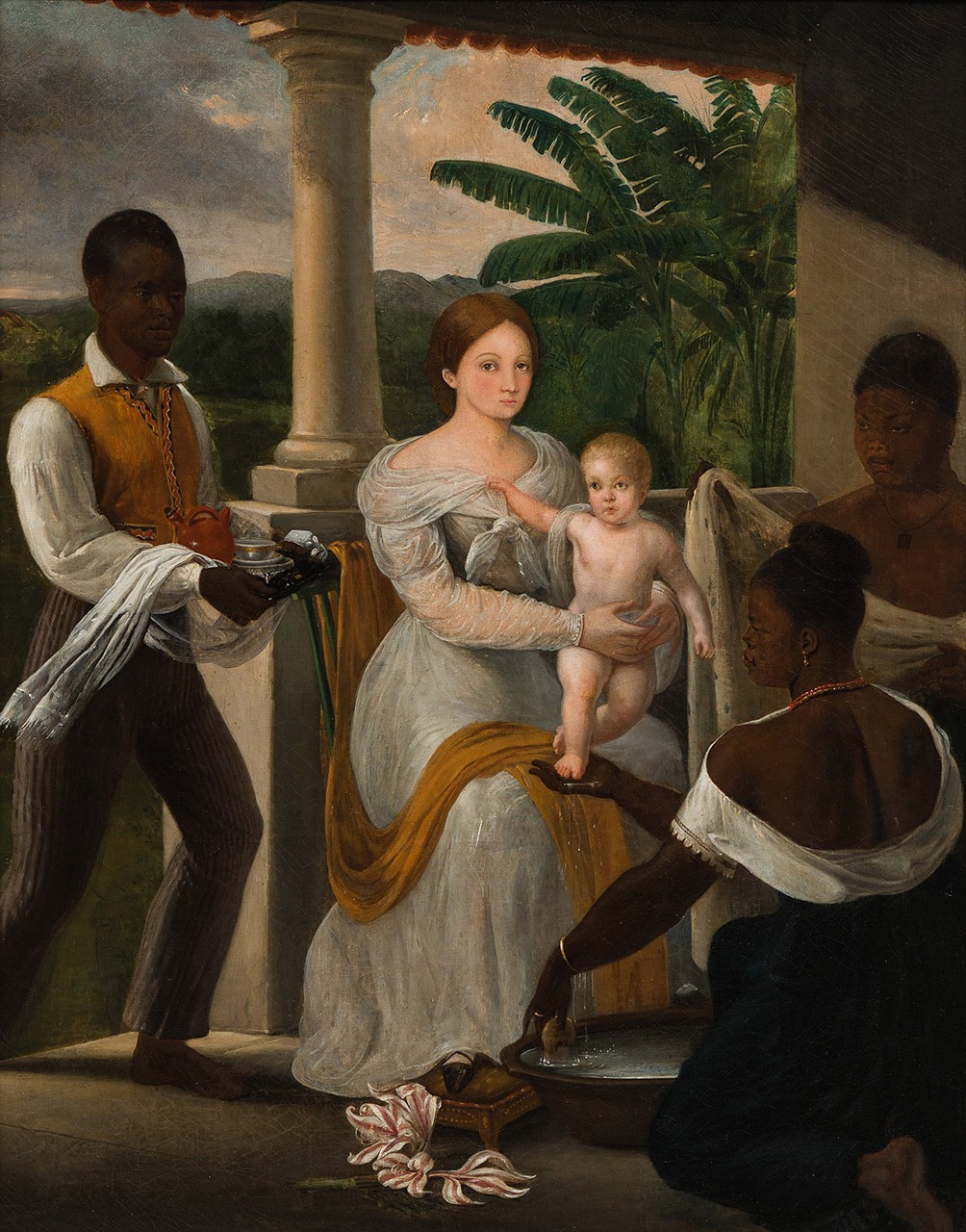
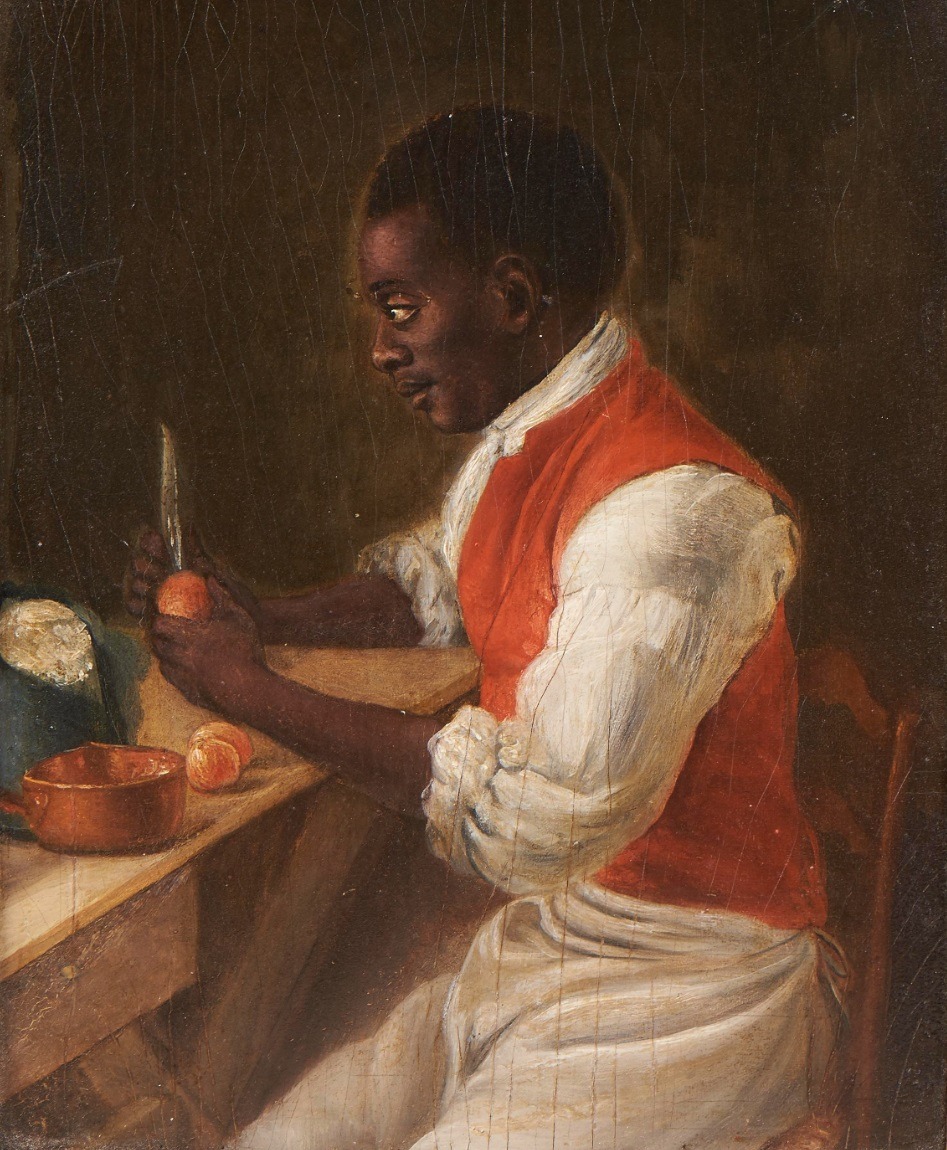
Beyond these vast and princely estates, there were not so many different positions. Often, each person would take on several roles: a single individual might serve both as butler (an indispensable role) and as footman or valet; and might also lend a hand in the kitchen if necessary (fig. 2).
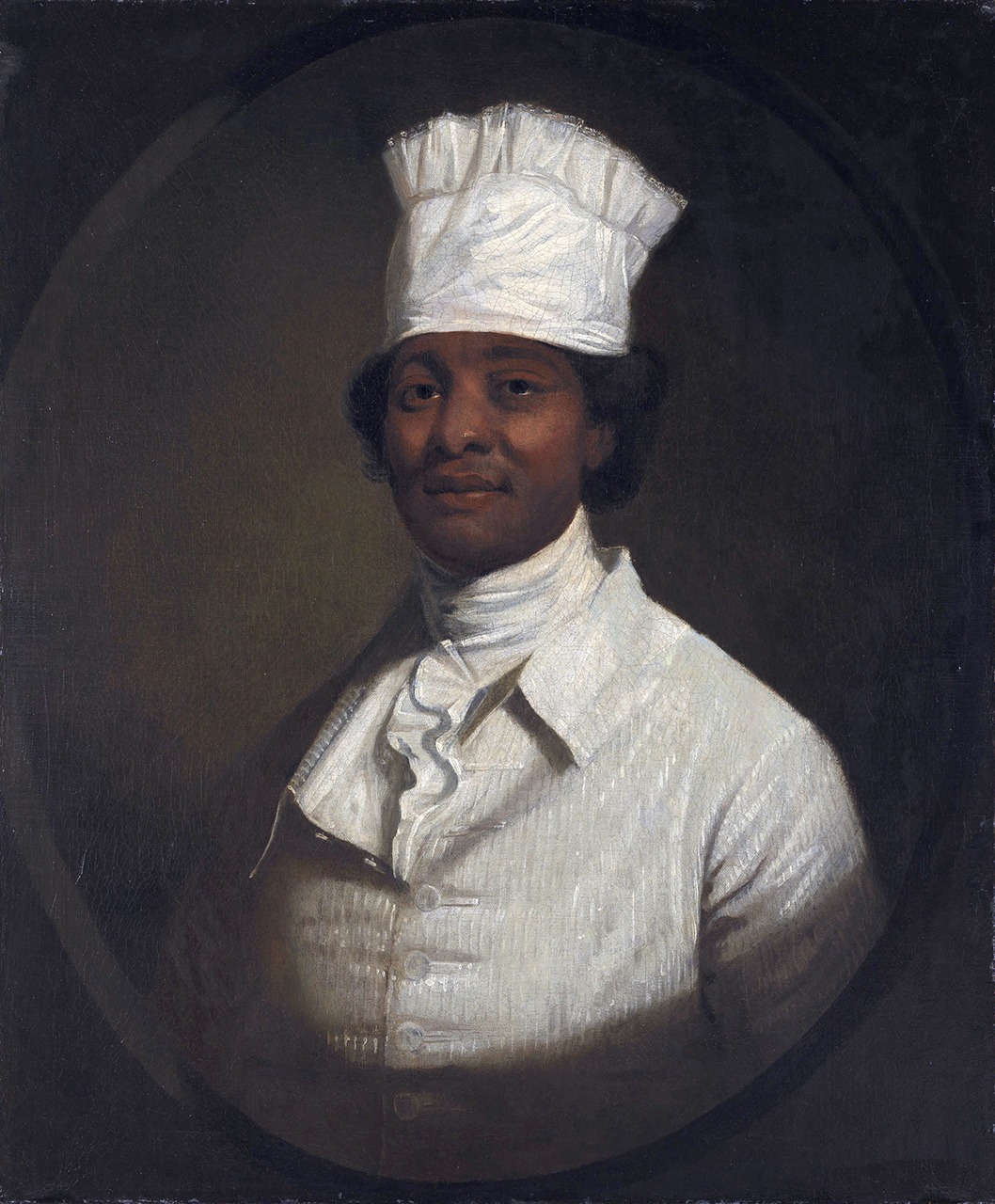
The second key role was that of head chef (fig. 3). Talent was certainly more important than gender when recruiting; however, in practice, the majority of head chefs were in fact men. The duties of the head chefs, cooks and kitchen assistants (male or female) were closely interlinked, but it was the head chef who was in charge of the kitchen, and their personal qualities of cleanliness, rigour, order, consistency and speed of execution were needed to ensure that the kitchen ran smoothly. It was the head chef who would devise and finalise the menus, which would then be approved by the master or mistress of the house). They carried out the most complex tasks and would supervise, coordinate, check and approve every dish that left the kitchen to arrive either in the pantry or on the dining table. The entire food supply chain was managed with care, from the water supply to the production of fresh produce. Estates were virtually self-sufficient, with their own vegetable garden, fruit trees, a farmyard, livestock of all kinds, and, in some cases, had their own river or lake for fishing (or, failing that, a pond in which fish were kept). On large estates, one might even find fully-functional greenhouses for growing delicate fruits and vegetables such as lemons and decorative oranges, as well as an ice house. The Villèle estate boasted all these features and even had an ice house added in 1830.
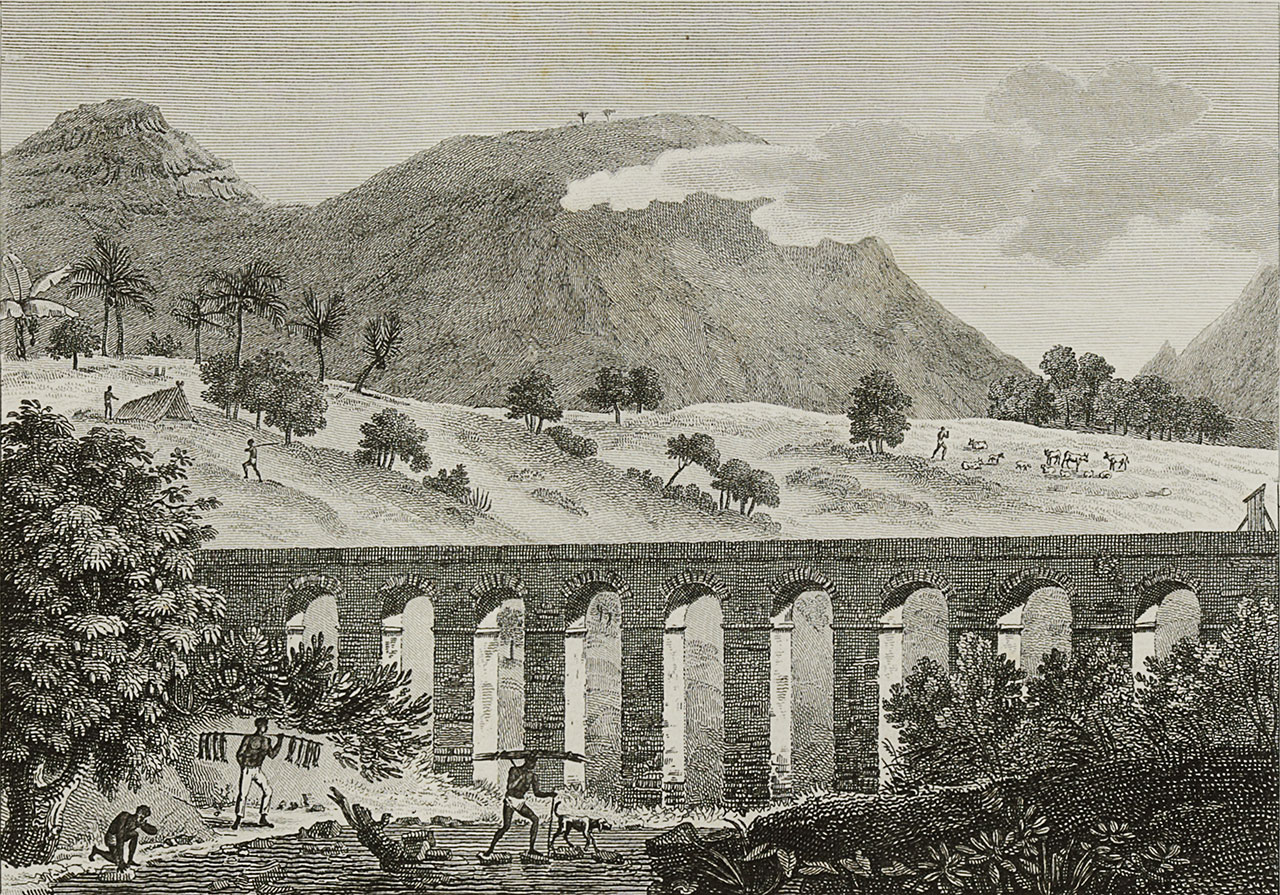
The Desbassayns plantation had 451 slaves in 1800, divided into categories: the ‘Noirs de case’ (household slaves), those with special skills, the guards, and finally the ‘Noirs de pioche’ (field labourers) responsible for agricultural work, who made up the largest group.
In Henry-Paulin’s inventory, 29 slaves were listed as domestic staff working in the house itself. They served on the masters and cared for the children, and included a large number of unskilled men and women who performed a variety of tasks (housekeeping, table service, porters, kitchen boys and girls). There were also, alongside them, more specialised staff assigned to food service (cooks, bakers), cleaning and laundry (laundry workers, ironers and seamstresses), the stables (coachman, groom, and stable boy), the hospital (nurses and midwife) or the adjoining garden. There was also a fisherman, ‘Fulgence, a 45-year-old Creole’ (fig. 6).
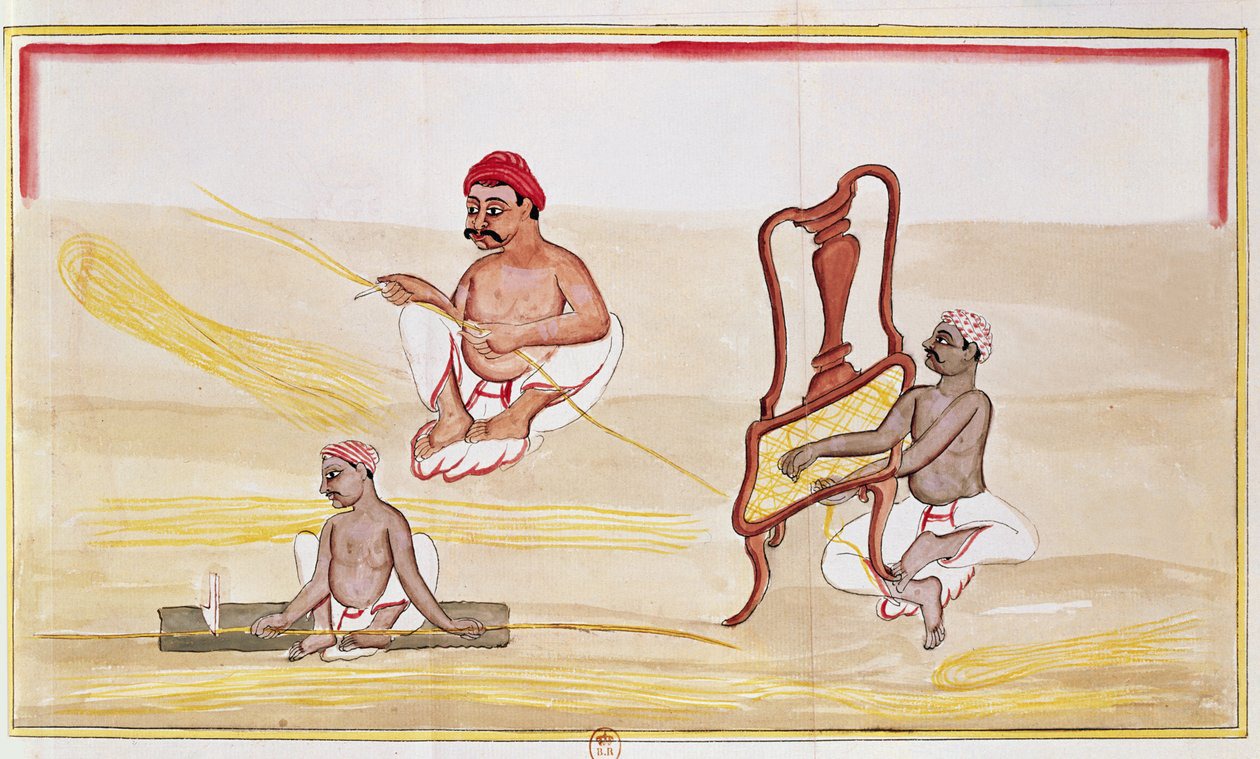
Skilled Black workers could be hired. They were more specialised in construction and building maintenance work: long-log sawyer, carpenter, joiner, blacksmith, mason and a cooper who was also a basket-maker, ‘Bastien, a 48-year-old Indian’ (fig. 7).
Household slaves and those with special skills only accounted for 10% of the total number of slaves recorded. This is a significant figure.
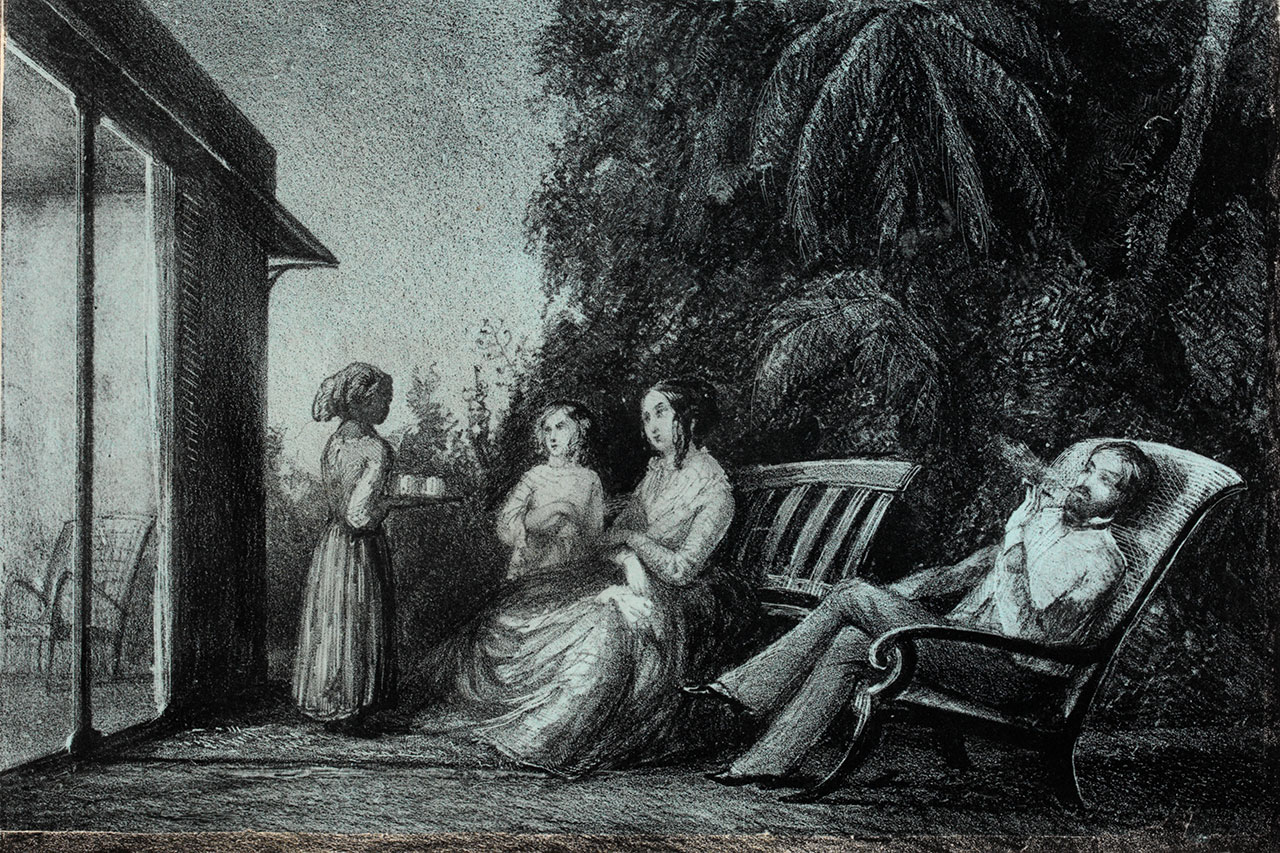
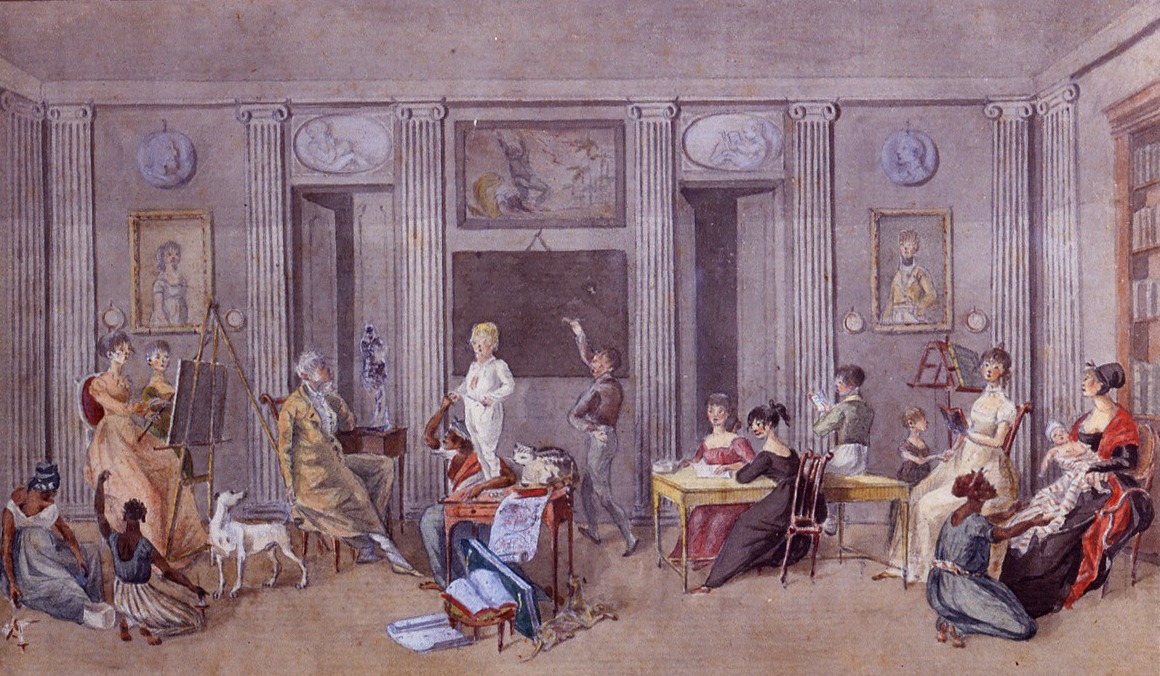
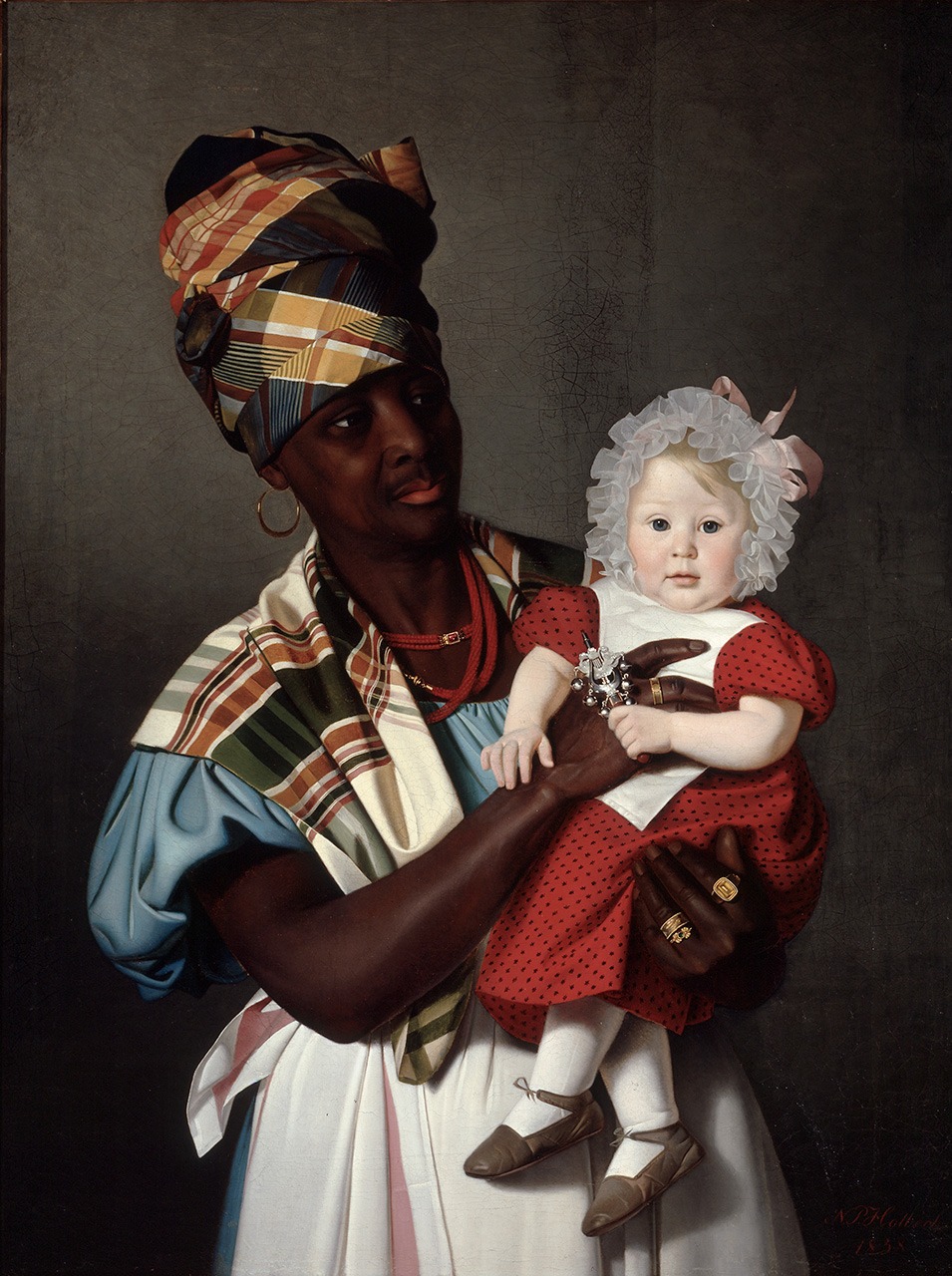
In 1846, upon the death of Mrs Desbassayns, there was still a large household staff at Villèle, made up of 51 household slaves (including 13 domestic servants or maids, 5 cooks, including 1 female cook, 2 bakers, 7 seamstresses, 2 laundry workers and 23 skilled workers (including 1 coachman and 1 groom), 3 nurses and midwives, and 15 others for factory work and the upkeep of various outbuildings (carpenter, bricklayer, boilermaker, blacksmith, etc.). It should be noted, however, that the average age had changed, as there were around ten slaves aged over 60 years old (3 in domestic service and 8 others in the garden). Many of the maids were assigned to look after the children and acted as nannies (figs. 8 & 9).
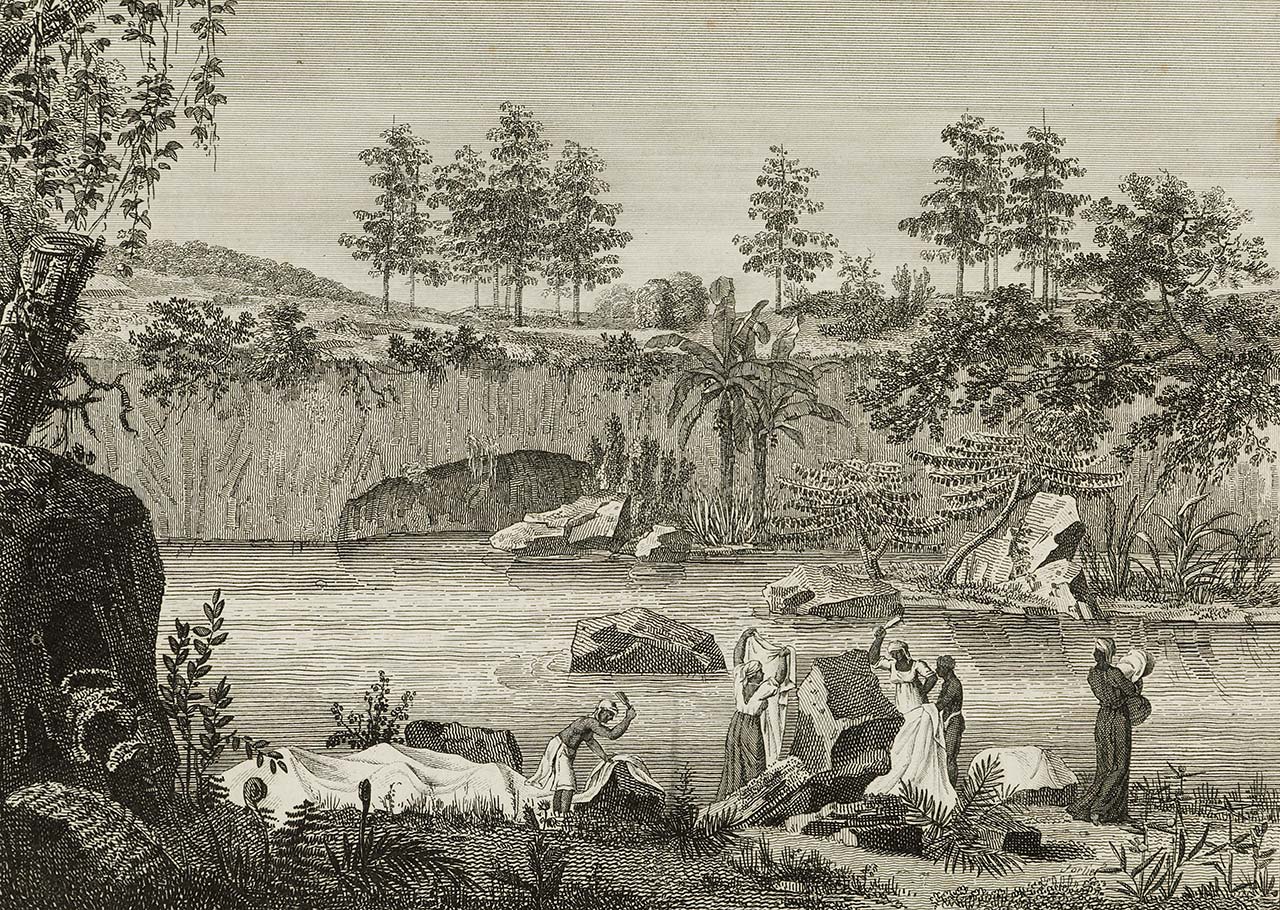
Finally, the laundry work deserves special mention. The number of washerwomen and laundresses, and the skills of ironers and seamstresses, reflect a materialist culture that focused on appearances and the earliest notions of hygiene. Textiles were among the few goods that had to be imported and, as such, were always a mark of distinction. Clothing thus attested to high social standing, just as the use of abundant table linen (which had to be changed at every sitting) formed part of this ritual linked to appearances (fig. 10). The word ‘blanchissage’ means ‘the act of making linen clean’. It encompasses all the different stages of treating dirty laundry (soaking, washing or lathering, wringing out, drying and ironing, as well as pre-washing treatments such as starching). Delicate and/or embroidered linen remained the preserve of only the most skilled and experienced women.


Domaine Panon-Desbassyns
Saint-Gilles-Les-Hauts
Tel. : 0262 55 64 10
Email: musee.villele@cg974.fr
Get there
Open from Tuesdays to Sundays 9.30am to 12.30pm and 1.30pm to 5.30pm
Closed on Mondays
Closed 1st May / 1st January / 25th December
Scientific committee
Legal notice